Shannon Clark MSW RSW
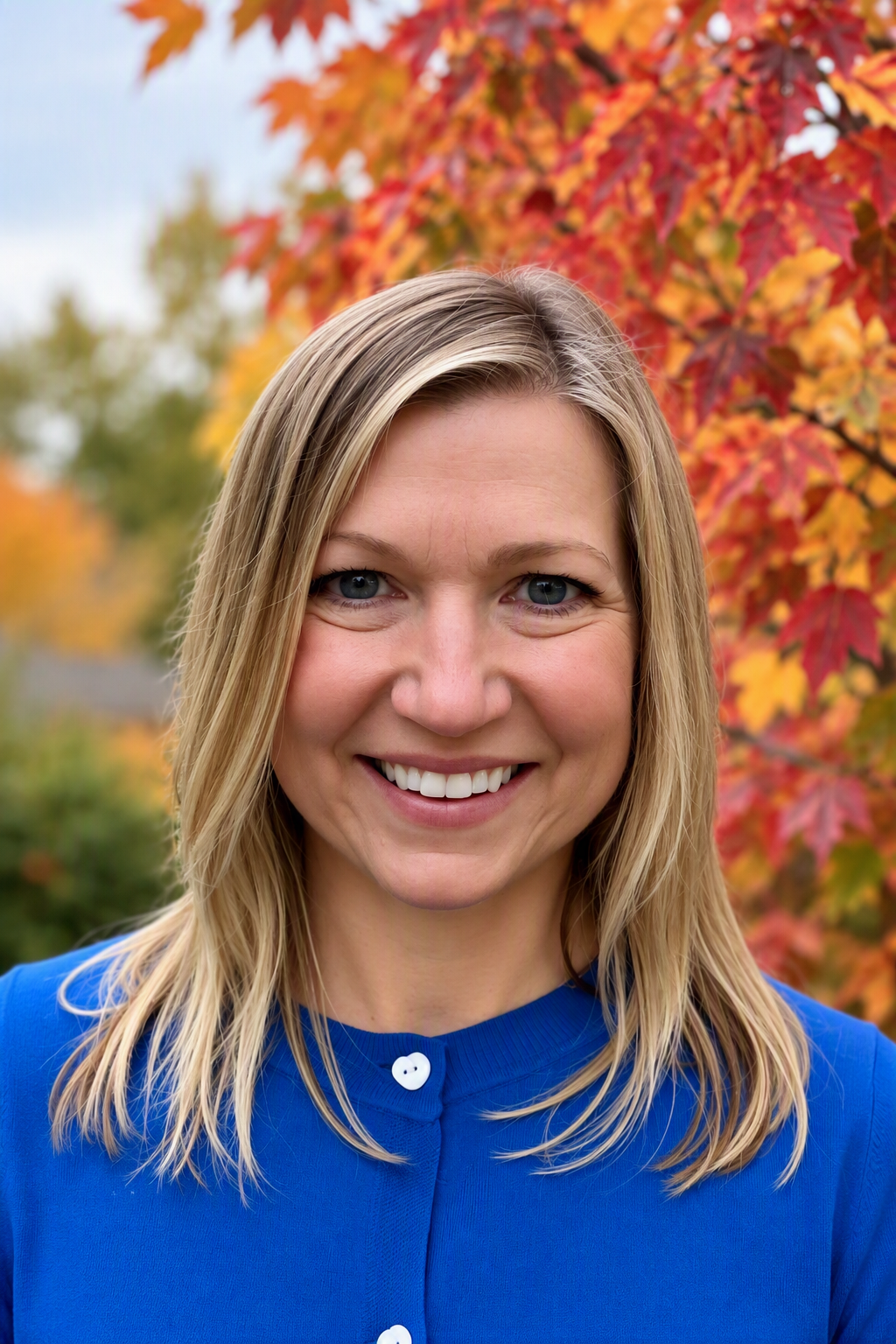
Hi, I am Shannon. Welcome to my website. I am glad you are here and that someone in your world thought we could do good work together. My hope is to provides you with a sense of who I am as a social worker and therapist.
I have been in the field of social work since 2008, supporting individuals as they navigate life's challenges, heal from difficult experiences, and reconnect with themselves in meaningful ways. I believe deeply in the human capacity to grow, change, and cultivate a more fulfilling life, even in our most painful moments. I have witnessed how nature is moving towards wholeness.
My approach integrates Hakomi Somatic Psychotherapy, developmental psychology, and attachment-based principles, offering a compassionate path toward greater self-understanding and healing. Healing happens within the context of safety, and I place great importance on creating a space that feels supportive, and grounded to you as we explore aspects of your life you may very well feel shaky in. Together, we can explore not only what you are experiencing today, but also how past relationships, life experiences, and nervous system responses may continue to shape how you live in the world.
Much of my professional background has involved providing trauma therapy to individuals impacted by interpersonal violence. This work has given me a deep understanding of the ways trauma can affect connection to ourselves, to the world around us and the people in it. I am committed to creating a compassionate environment where you can explore your experiences, make sense of what you have been through, and move toward greater resilience and presence in your life.
Alongside my clinical practice, I have been trained through the Centre for Sacred Deathcare to support individual and families facing terminal illness, the weight and gifts of caregiving, sudden and unexpected deaths, and historical grief. Drawing from a nature-based understanding of life, death, and grief. I know that grief is a natural response to love and that we all need meaningful ways to carry our loved ones with us when they are facing death or have died.
If you are interested below I provide a more in-depth reflection on the leading modalities which guide my work. A common question I receive is “how do you practice”. I hope it helps to provide a satisfying answer.
If you would rather skip past, no problem. My contact information is located at the bottom of the page. Please don’t hesitate to reach out with questions or to book a free consultation.
Warmly.
Shannon

Hakomi Mindfulness Centered Psychotherapy
I am a certified Hakomi Therapist. Compassionate presence and a deep respect for the wisdom of the body are at the heart of Hakomi therapy, and at the heart of the work I do with clients.
Hakomi is grounded in principles of non-violence and organicity. We take the therapeutic stance of curiosity rather than trying to push away and “fix” the problem. Even the patterns that cause us difficulty once developed in service of something important.
This is also where neuroplasticity becomes meaningful. Our nervous systems are capable of learning and adapting throughout our lives. When old patterns are met with new experiences of safety, awareness, connection, and choice, new possibilities can begin to take shape, not only intellectually, but experientially and in the body.
In Hakomi, there is a beautiful trust that our nature is on our side. We trust that living beings naturally move toward greater wholeness, and that therapy can support our unfolding into who we truly are.
“When a limbic connection has established a neural pattern, it takes a limbic connection to revise it”. A General Theory of Love, 2000
“Attachment is the most powerful force in nature”
Developmental Psychology and Attachment
Developmental psychology and attachment science is a beautiful blend of science and experience. Attachment and development is biologically with us when we are born. We are wired to grow into our thoughts, beliefs, behaviours and to mature emotionally. The pursuit of connection, belonging, to be cared for and to care, is there from the beginning.
Parenthood, falling in love, sustaining love, caring for aging parents, facing death, all of these life circumstances ask us to stretch and grow developmentally. Attachment is our anchor. We are wired for relationship, to seek closeness with those who care for us and to care deeply for those who depend on us. The job of attachment at these times is to deepen and strengthen our connection.
From an attachment-developmental perspective, I help clients explore the stuck or tender places in their own attachment stories and what gets stirred up in the relationships that matter most. Together, we make sense of these places, bridge the moments that pull us apart, and strengthen trust in our own instincts to care, protect, and stay in relationship.
Interpersonal trauma can make trusting these instincts especially difficult. When they don’t feel accessible from within, therapy can become a place to borrow from others: from community, from stories, and from remembered or imagined experiences of safe, caring adults.
Attachment systems and the agenda of development are very resilient and push us forward in health and healing.
Death and Dying
I have been trained through the Centre for Sacred Deathcare to support individuals and families facing death and loss, whether through a sudden and unexpected death, terminal illness and sitting bedside. Historical losses, including deaths experienced in childhood, or the death of a beloved pet. Many of us haven’t received the support we have needed to tend our biggest life transition.
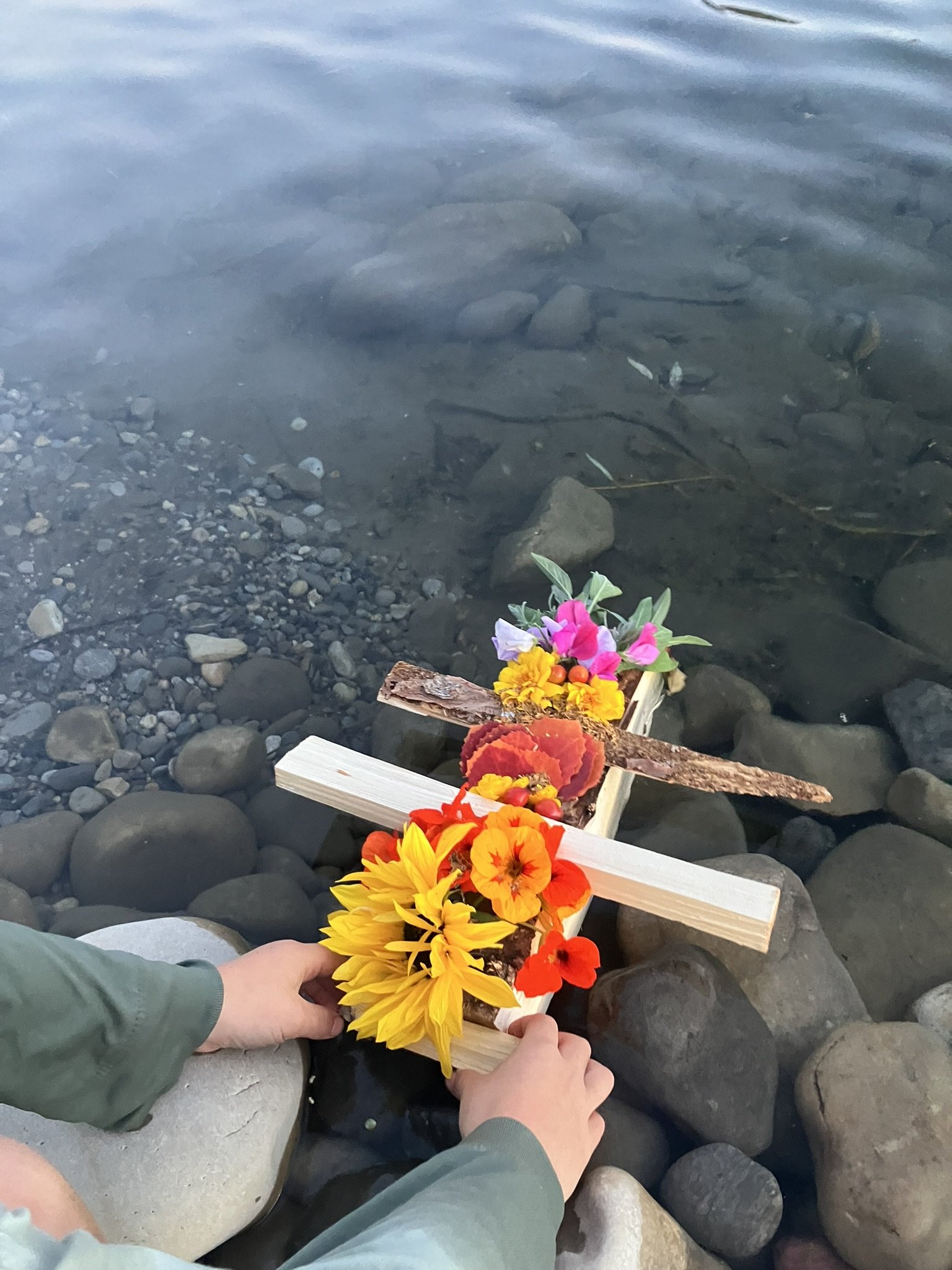
Sacred Deathcare takes the stance that we need to bring death and dying beyond the medical model, giving it air, visibility, allowing those witnessing and experiencing death to be supported. A narrative about where our dead go when they die (religious or non-religious) and rituals such as sending a flowered canoe down the river on the fall equinox, matter. They can help us find our footing, bit by bit, in a world that has been changed by loss.
Grief is as natural as the changing of the seasons, but we are not meant to do it alone. It asks us to stretch in ways we could never have imagined. Love and grief are two sides of the same coin, and when someone dies, our attachment to them does not disappear. My role is to make space for and validate the natural bridges people are intuitively creating to hold onto the relationship with their loved one. These rituals give our love and our attachment somewhere to go, helping our grief to flow rather than asking us to contain what is too much to hold.
I have been shown the power of creating space for the inner experience of grief and bereavement to be met in its full size in the outer world, to be made real. Through relationship, ritual, nature, and community, we need to find meaningful ways to carry our dead with us and give grief the support it needs to do its important work.
“When we love someone. What we love is their soul. We don’t love them because they are tall or short. One leg or two. We love because of their soul” Sarah Kerr, Founder of The Centre for Sacred Deathcare